
Industry-Ready Skills Every Engineering Student Must Learn in 2026 (And How RPIIT Helps You Master Them)
The world of engineering is evolving faster than ever. Gone are the days when a degree alone could guarantee a job. In 2026, companies are looking for industry-ready professionals who can solve real problems, adapt quickly, and work with modern technologies.
For students planning their future, the question is no longer “Which degree should I choose?” but rather “Which skills will make me employable?”
This is where institutions like RPIIT are making a difference by focusing on skill-based education alongside academics.
Why Skills Matter More Than Ever
Today’s recruiters prioritize practical knowledge over theoretical understanding. According to industry trends, employers are increasingly hiring candidates who can:
- Build real-world projects
- Work with modern tools and technologies
- Communicate and collaborate effectively
- Adapt to changing industry demands
A traditional classroom approach is no longer enough. Students need exposure, practice, and hands-on learning—which many top institutions are now integrating into their programs.
Top Skills Engineering Students Must Learn in 2026
1. Programming and Software Development
Whether you're in Computer Science or not, coding is becoming a universal skill. Languages like Python, Java, and C++ are widely used across industries.
Students should focus on:
- Writing clean and efficient code
- Understanding data structures and algorithms
- Building real-world applications
Institutes that provide strong lab support and project-based learning give students a clear advantage.
2. Artificial Intelligence and Automation
AI is transforming industries—from healthcare to manufacturing. Engineers with knowledge of machine learning, data analysis, and automation tools are in high demand.
Learning AI helps students:
- Analyze complex data
- Build intelligent systems
- Improve decision-making processes
Forward-thinking colleges are already introducing AI modules and workshops to prepare students for the future.
3. Practical Problem-Solving Skills
Companies don’t just hire engineers—they hire problem solvers.
Students should develop the ability to:
- Analyze real-world challenges
- Design effective solutions
- Work on live projects and case studies
Institutions that encourage innovation, hackathons, and project-based learning help students build this critical skill.
4. Communication and Teamwork
Technical knowledge alone is not enough. Engineers often work in teams, interact with clients, and present ideas.
Key areas to focus on:
- Public speaking
- Technical presentations
- Team collaboration
Colleges that organize seminars, group projects, and extracurricular activities help students become well-rounded professionals.
5. Industry Exposure and Internships
One of the biggest gaps in education is the lack of real-world exposure. Internships bridge this gap by allowing students to work in actual industry environments.
Benefits include:
- Understanding workplace dynamics
- Gaining practical experience
- Building professional networks
Institutions with strong industry connections and placement support play a crucial role here.
How RPIIT Prepares Students for the Real World
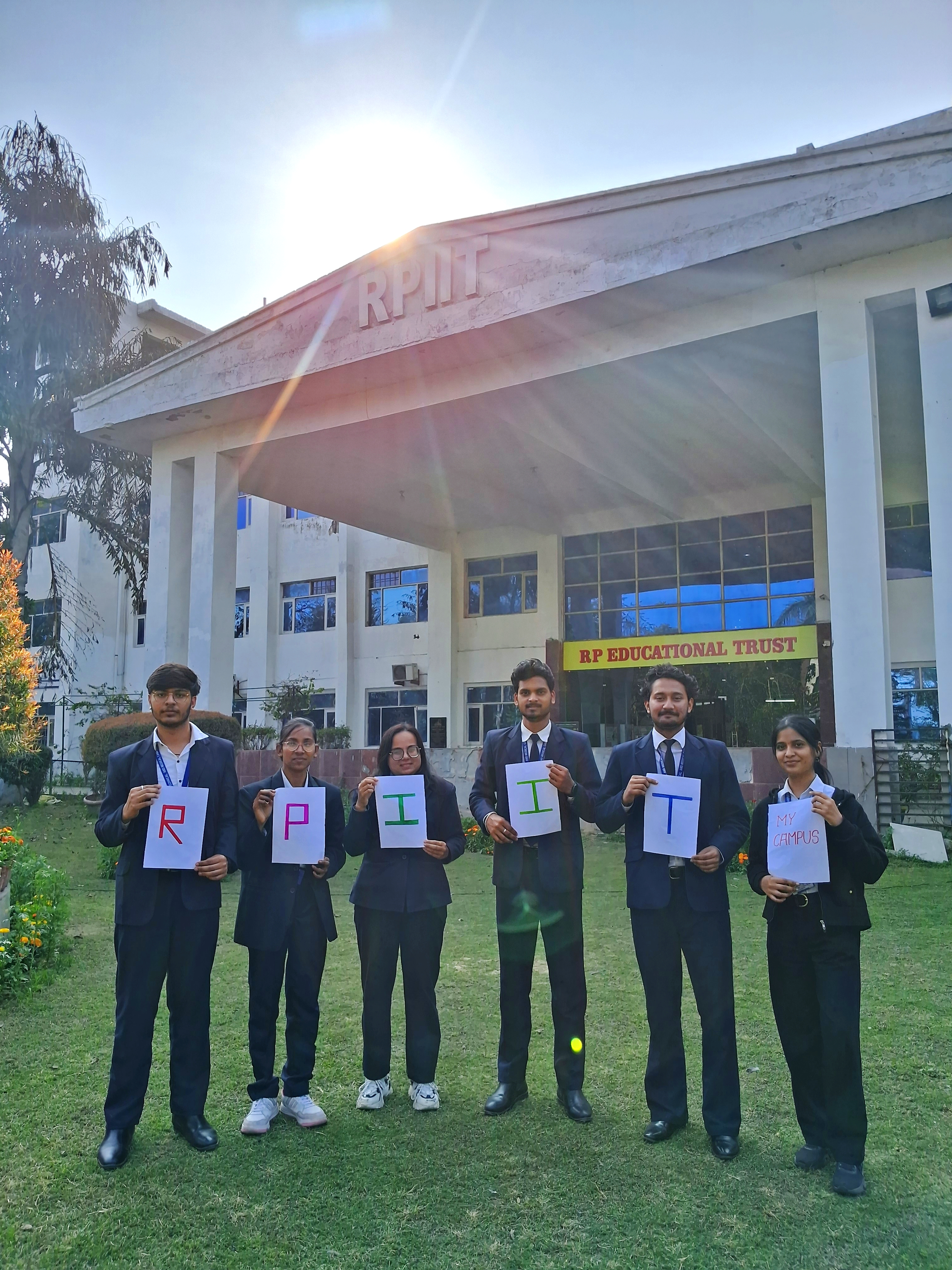
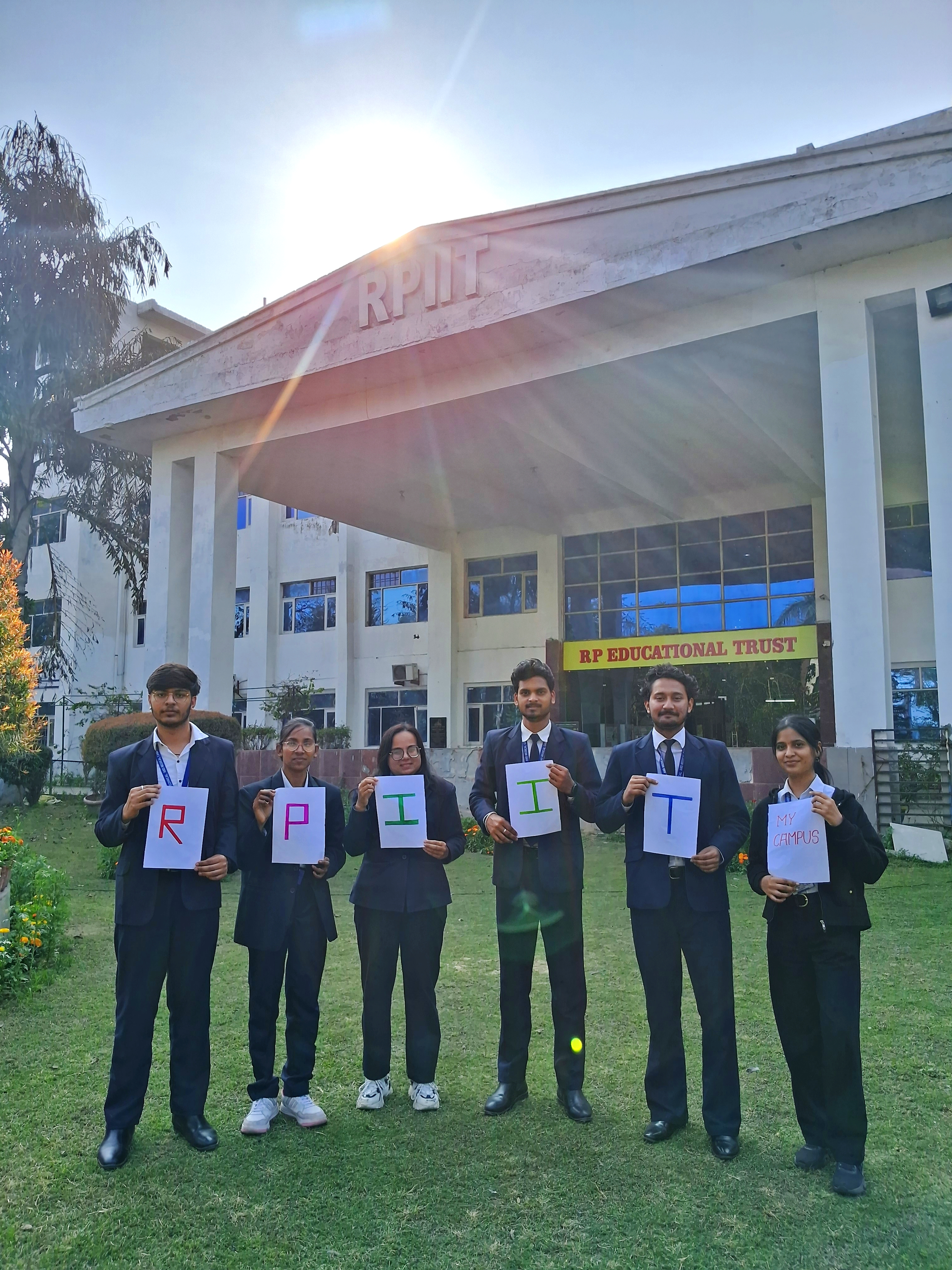
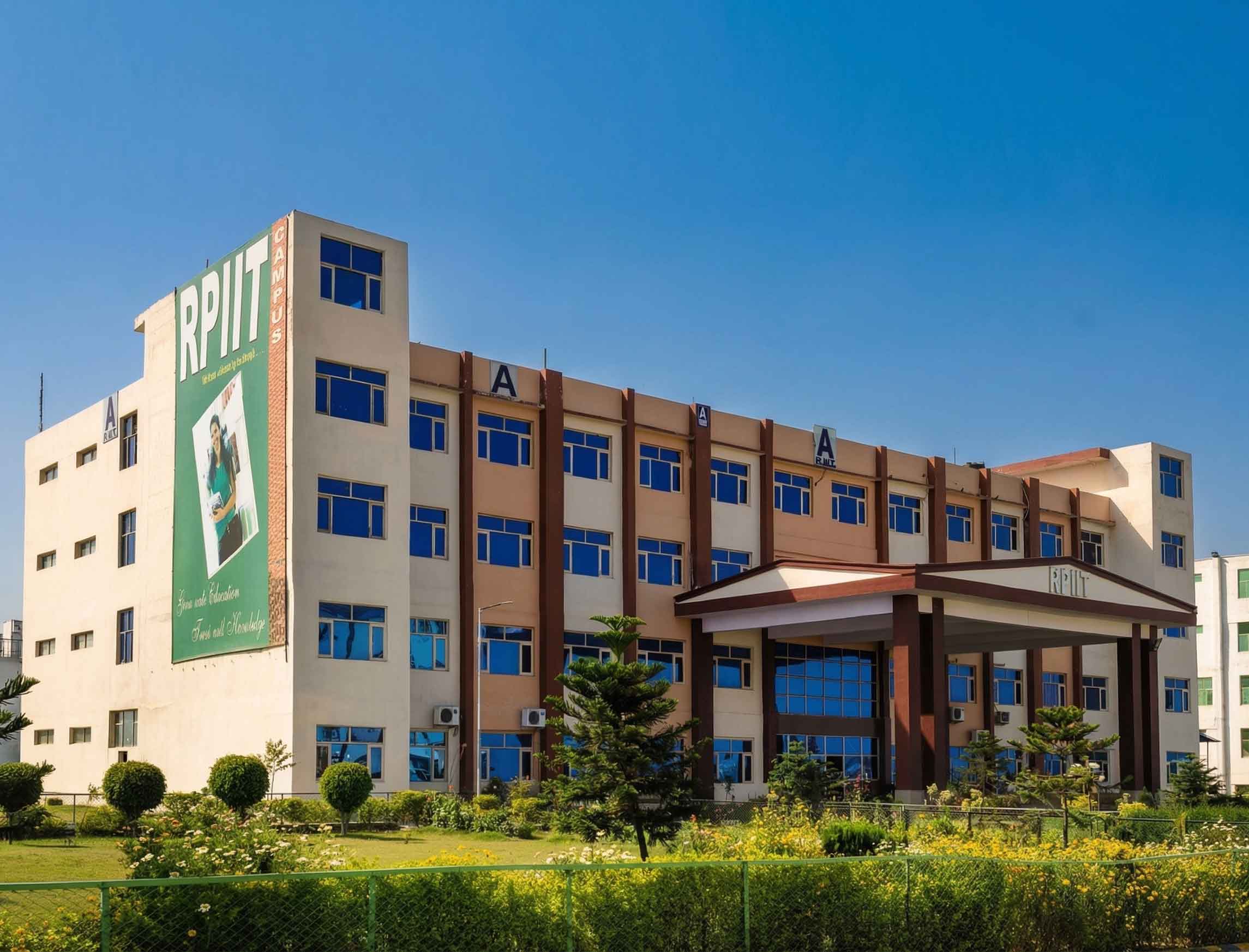
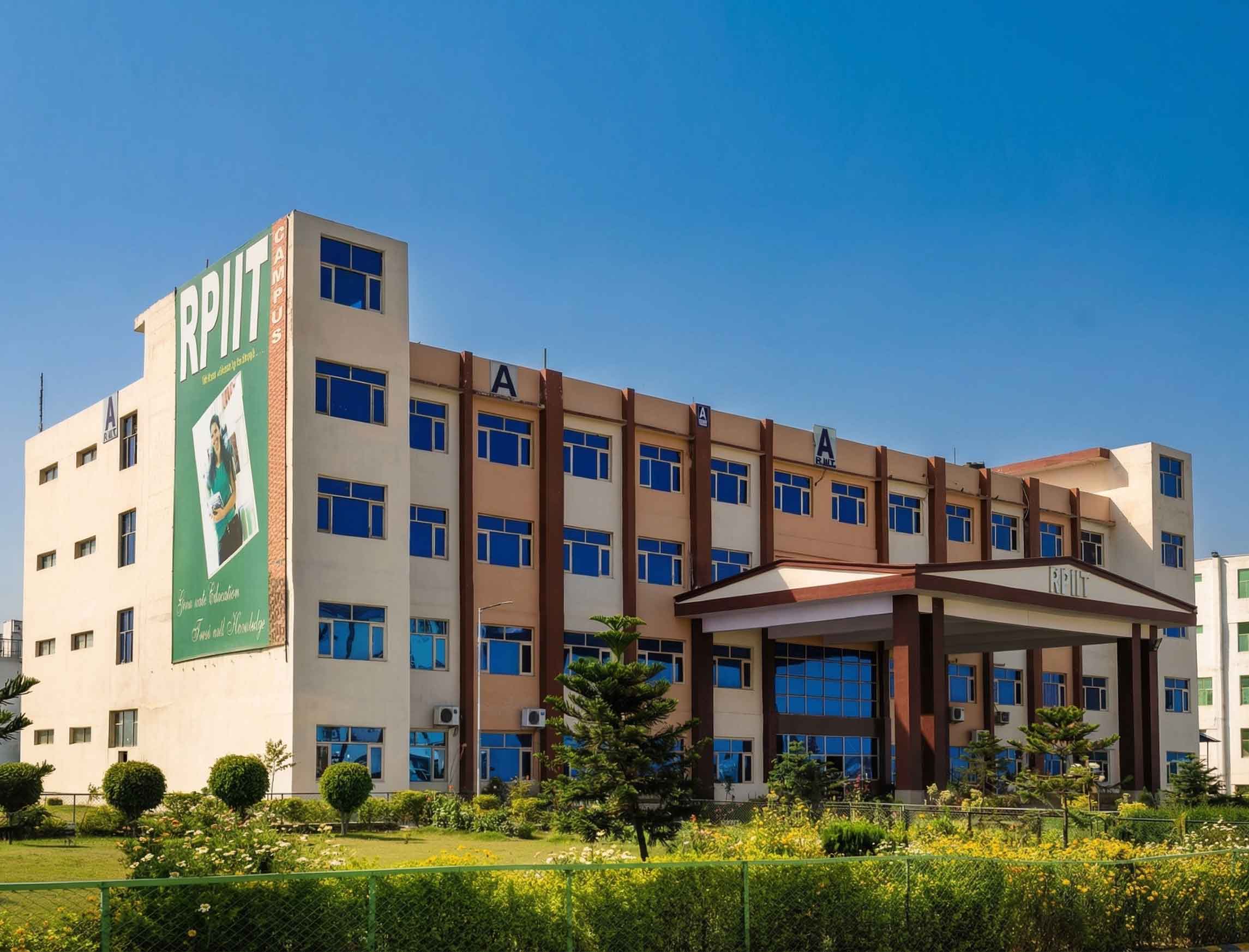
While many colleges focus only on theory, RPIIT emphasizes career-oriented learning. Its approach aligns closely with industry expectations, helping students stay ahead in a competitive job market.
1. Practical Learning Environment
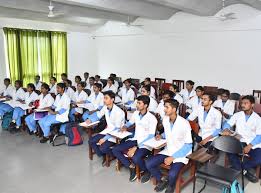
RPIIT provides modern labs and hands-on training opportunities that allow students to apply what they learn in classrooms. This ensures better understanding and retention of concepts.
2. Skill Development Programs
The institute regularly conducts:
- Workshops
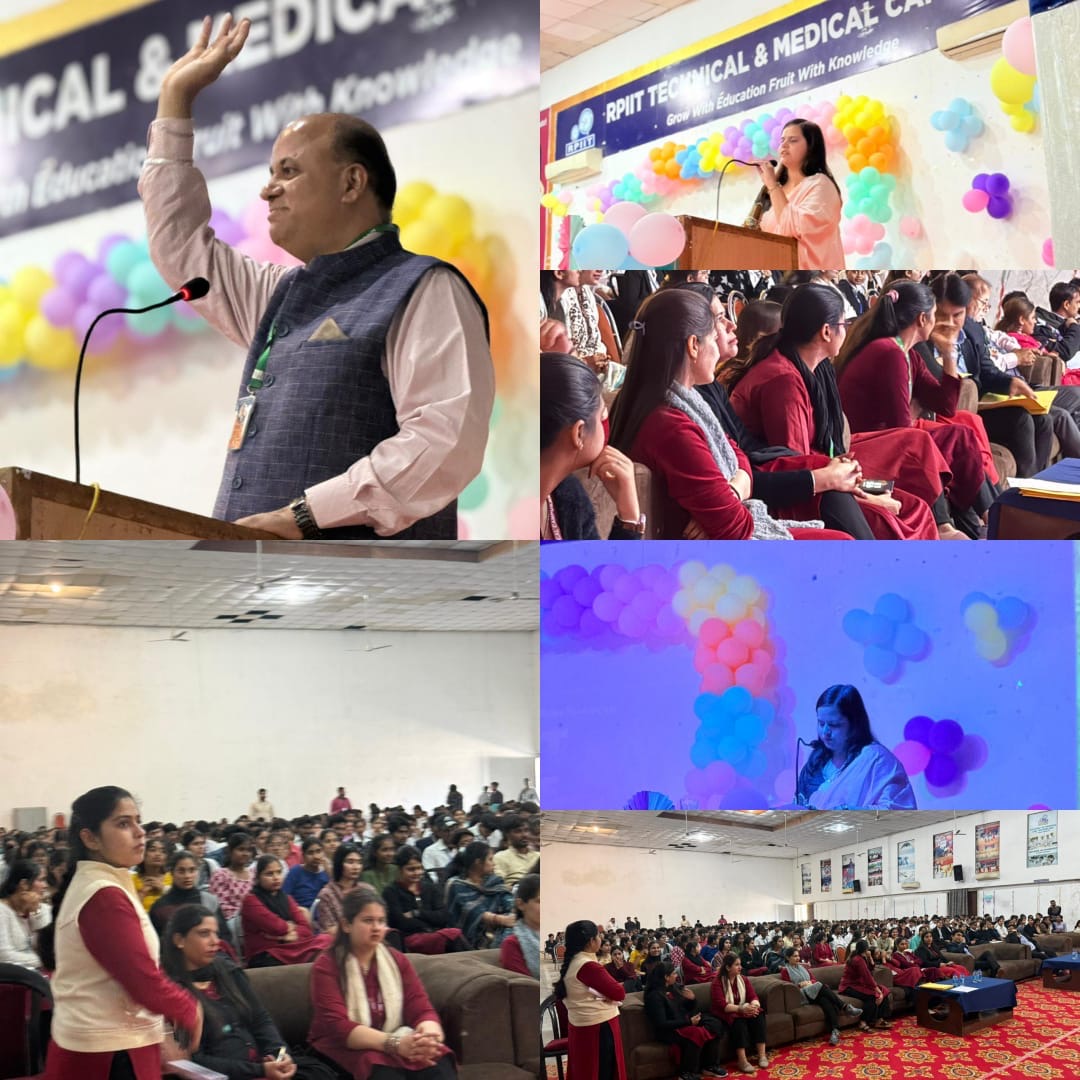
- Technical seminars
- Personality development sessions
These programs help students build both technical and soft skills, making them industry-ready.
3. Strong Placement Support
RPIIT’s placement cell focuses on preparing students through:
- Mock interviews
- Resume-building sessions
- Campus recruitment drives
This structured approach significantly improves students’ chances of getting placed in reputed companies.
4. Focus on Holistic Growth
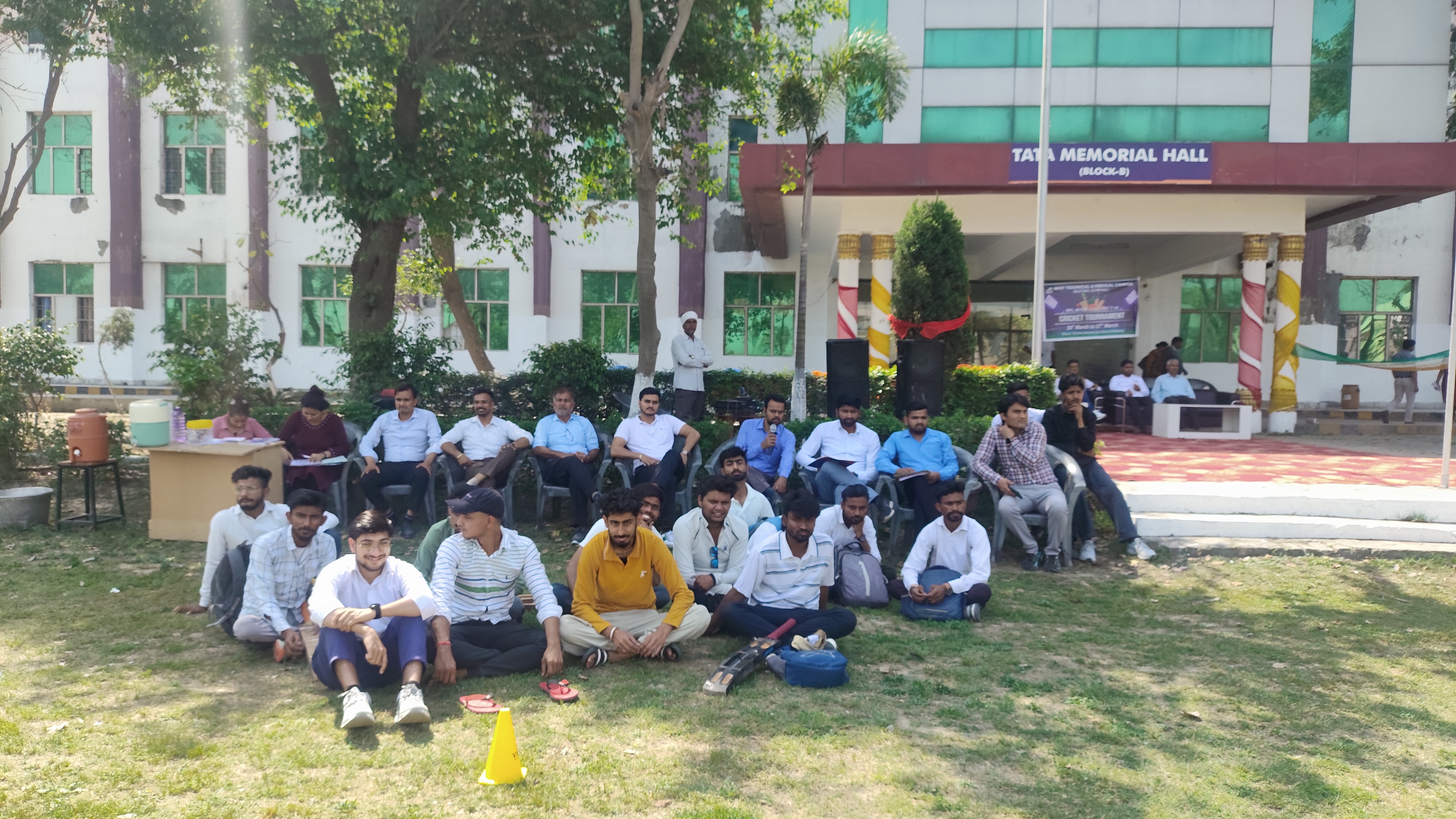
Beyond academics, students are encouraged to participate in:
- Cultural events
- Sports activities
- Innovation projects
This helps in developing confidence, leadership, and teamwork skills.
The Future Belongs to Skilled Engineers
The engineering landscape is changing rapidly, and students who adapt to these changes will succeed. By focusing on practical skills, industry exposure, and continuous learning, students can build strong and rewarding careers.
Choosing the right college plays a crucial role in this journey. An institution that combines education with skill development and career support can make all the difference.
Final Thoughts
If you are planning to pursue engineering in 2026, don’t just focus on the degree—focus on the skills you will gain along the way.
Look for a college that:
- Encourages practical learning
- Provides industry exposure
- Supports skill development
- Prepares you for real-world challenges
Because in today’s world, skills are the new currency of success.