In India’s rapidly evolving education landscape, one of the biggest challenges students face is not access to education—but relevance of education. Degrees alone are no longer enough. Employers today are looking for candidates who can think critically, adapt quickly, and contribute from day one.
This is where institutions like RPIIT Karnal are quietly redefining the purpose of higher education—not just as a pathway to a degree, but as a launchpad for employability and long-term career growth.
The Employability Gap: A Real Concern
Across industries, recruiters often point to a consistent issue—graduates lack practical exposure. While many institutions continue to focus on syllabus completion, the real-world application of knowledge is frequently overlooked.
RPIIT approaches this problem differently. Instead of treating employability as a final-year concern, the institute integrates it into the entire academic journey. From the first year itself, students are gradually introduced to skill-building, communication training, and practical problem-solving.
This shift in mindset—from “study to pass exams” to “learn to perform in real environments”—is what sets the foundation for better career outcomes.
Learning Beyond Textbooks
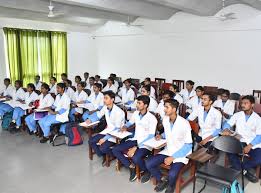
At RPIIT, education extends beyond traditional lectures. The focus is on experiential learning, where students actively engage with concepts rather than passively absorbing information.
Some key approaches include:
- Practical lab sessions aligned with industry use cases
- Case studies that reflect real business and technical challenges
- Project-based learning that encourages innovation
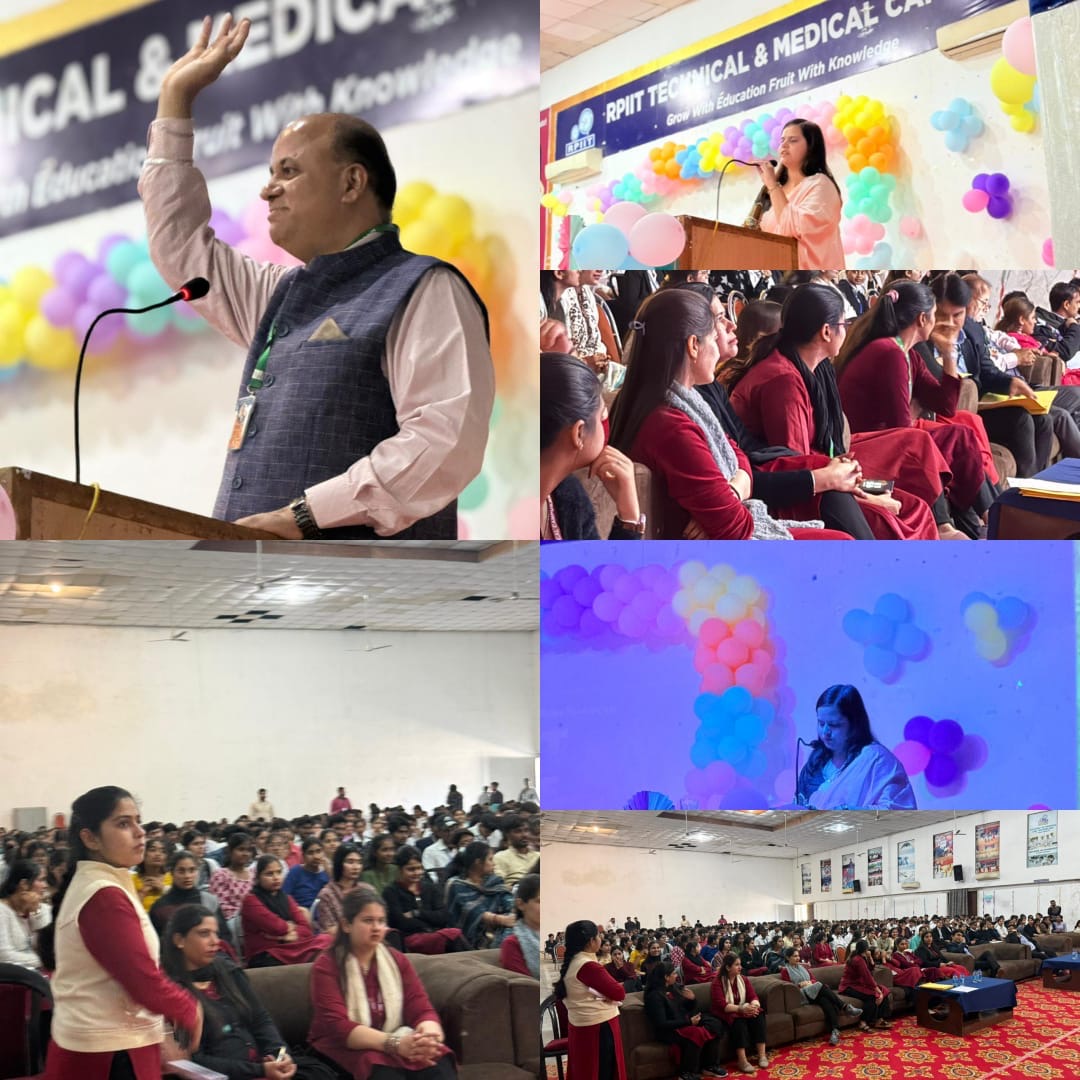
- Workshops and seminars conducted by industry professionals
This ensures that students don’t just understand theories—they know how to apply them.
Industry Exposure That Matters
One of the most effective ways to prepare students for the workforce is to expose them to real industry environments early on. RPIIT emphasizes this through:
- Industrial visits
- Internship opportunities
- Guest lectures from professionals
- Live project collaborations
These experiences help students understand workplace expectations, professional behavior, and current industry trends. It also reduces the “shock factor” many graduates face when transitioning from college to corporate life.
Skill Development as a Core Priority
Technical knowledge alone is no longer sufficient. Employers value a combination of hard skills and soft skills, and RPIIT actively works to develop both.
Students are trained in:
- Communication and presentation skills
- Teamwork and leadership
- Problem-solving and analytical thinking
- Time management and adaptability
By embedding these skills into the academic structure, the institute ensures that students are not just qualified—but also workplace-ready.
A Multi-Disciplinary Advantage
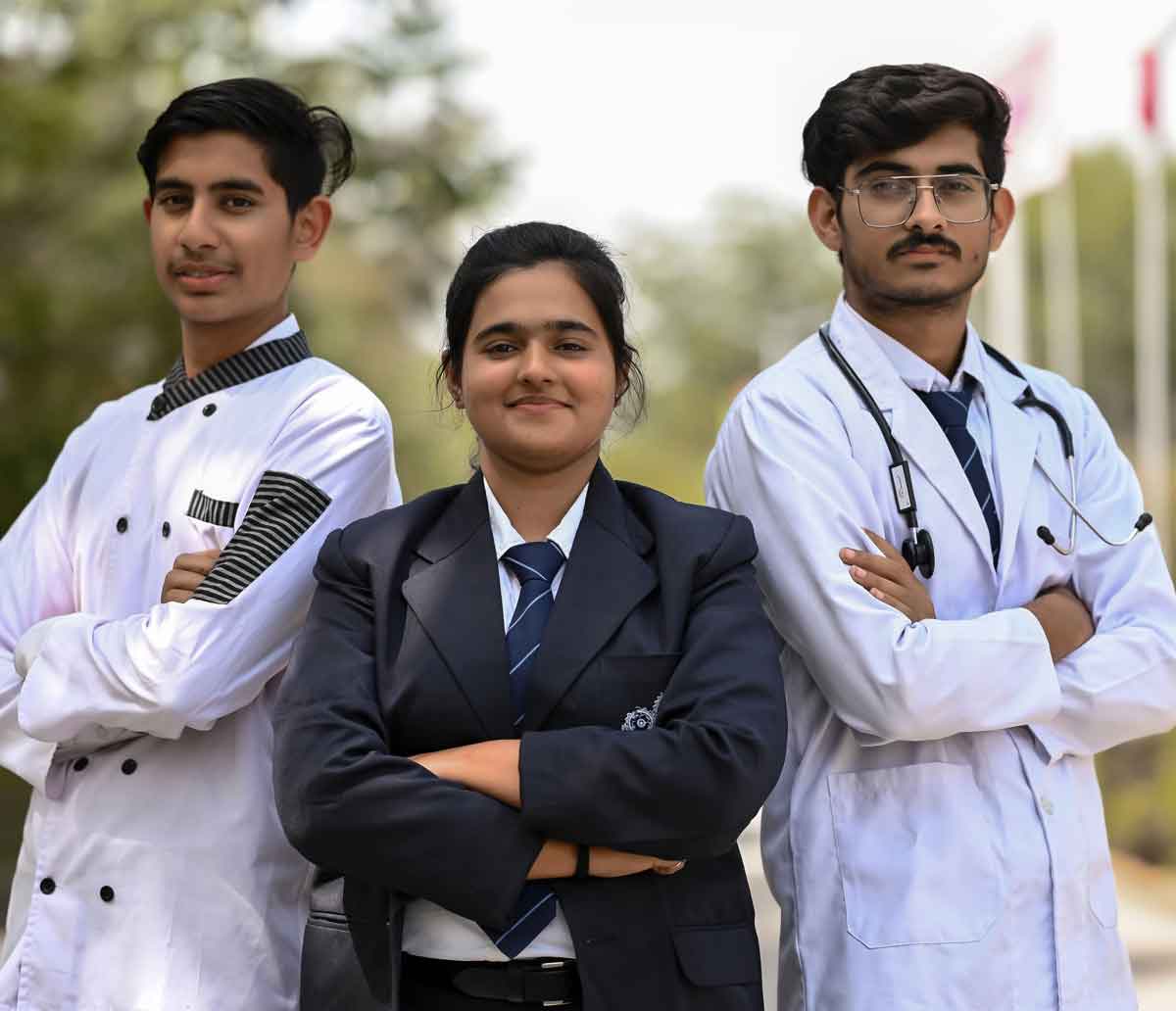
Another defining feature of RPIIT is its diverse academic ecosystem. With programs spanning engineering, management, healthcare, and more, students benefit from a multi-disciplinary environment.
This diversity encourages:
- Cross-domain collaboration
- Broader perspectives on problem-solving
- Opportunities to explore hybrid career paths
For example, a management student can gain exposure to technical concepts, while an engineering student can develop business acumen—an increasingly valuable combination in today’s job market.
Continuous Career Support
Unlike institutions where placement support is limited to the final semester, RPIIT adopts a continuous career development model.
Students receive guidance in:
- Resume building
- Interview preparation
- Aptitude training
- Career counseling
Mock interviews and training sessions are conducted regularly, helping students refine their approach and build confidence. This ongoing support plays a crucial role in improving placement outcomes.
Building Confidence, Not Just Careers
A less discussed—but equally important—aspect of education is confidence building. Many students, especially from smaller towns, struggle with self-expression and professional communication.
RPIIT addresses this through:
- Group discussions and presentations
- Personality development programs
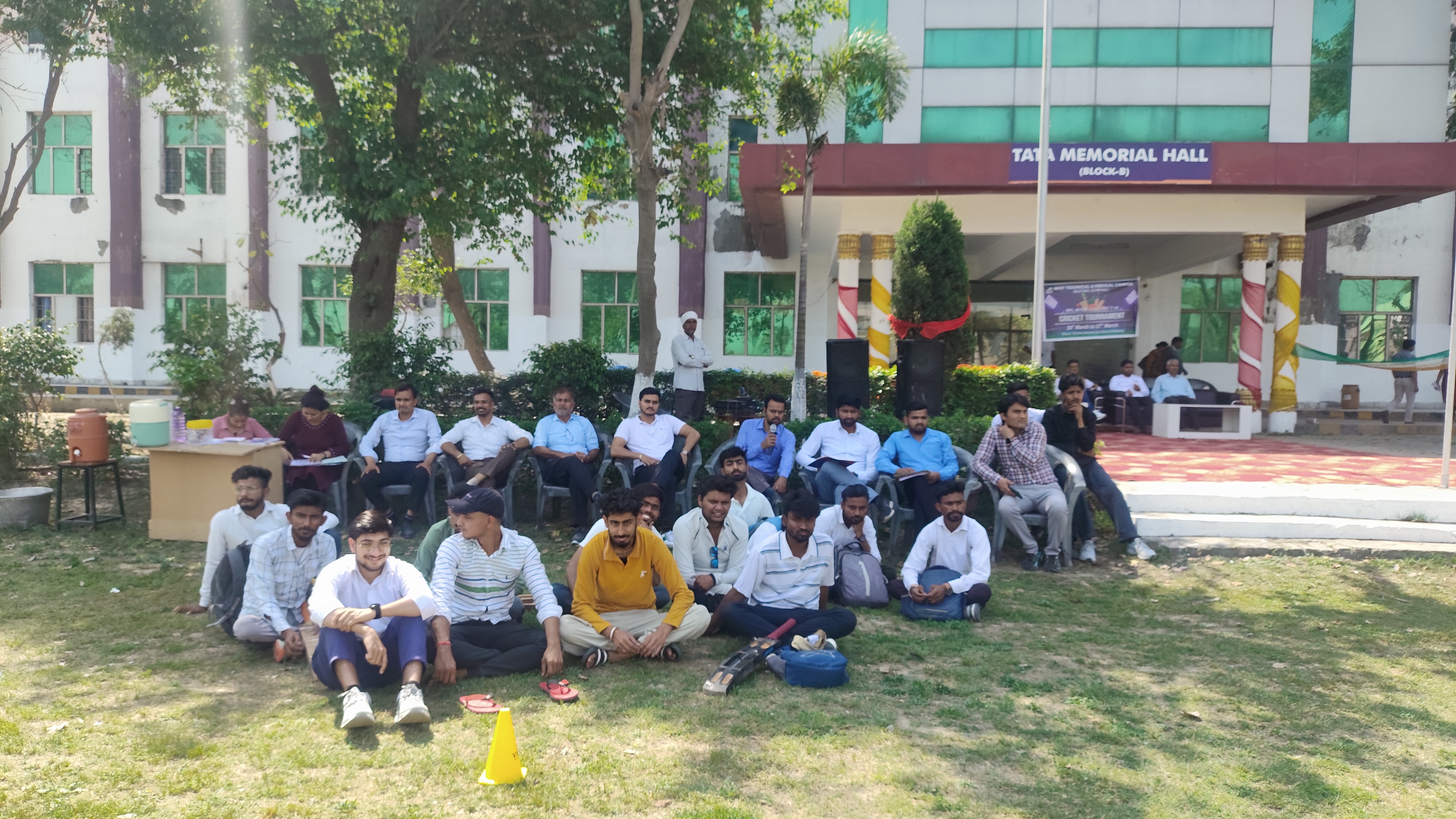
- Participation in cultural and technical events
These activities create an environment where students can express themselves, overcome hesitation, and develop a strong professional identity.
Infrastructure That Supports Growth
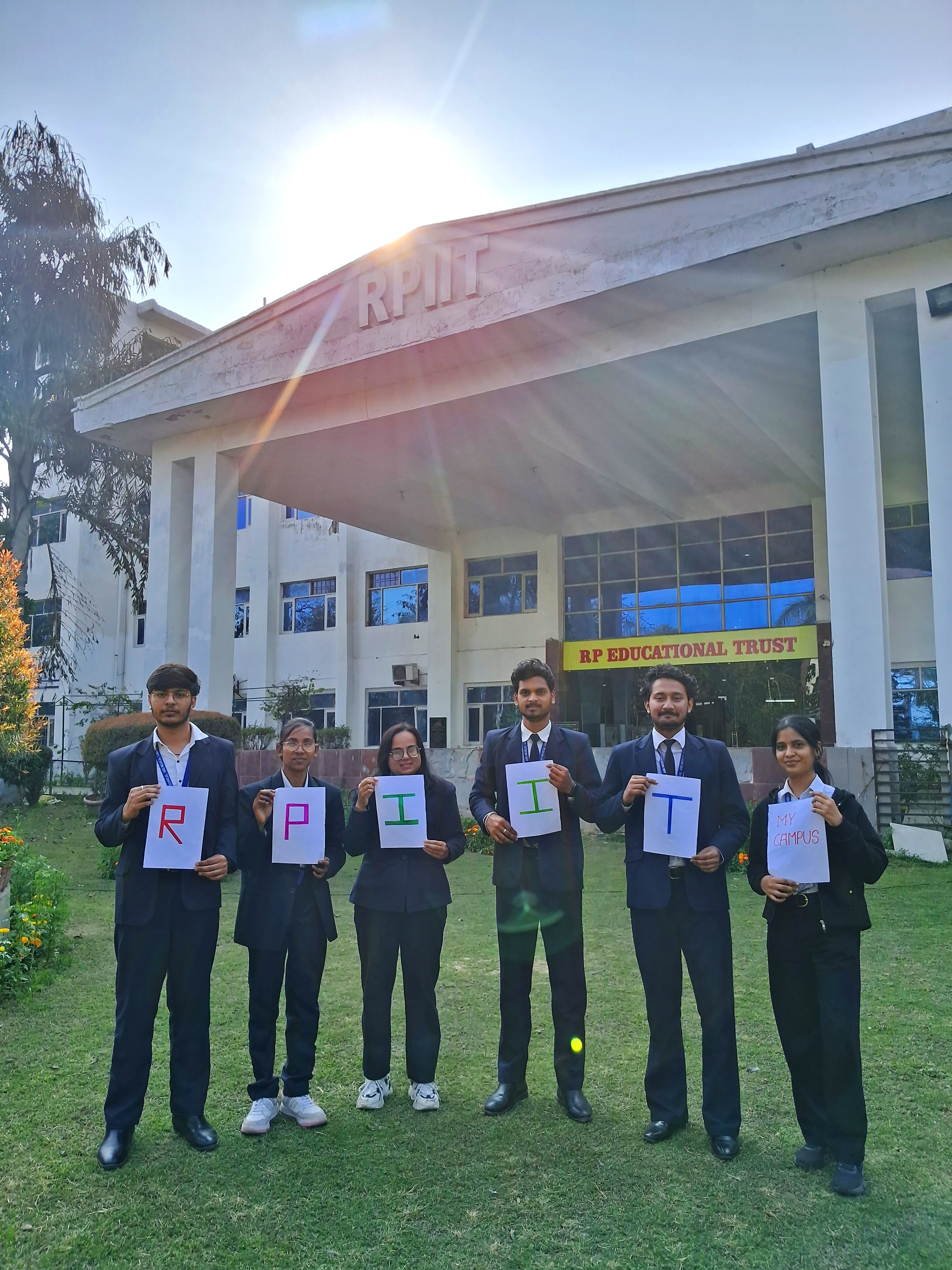
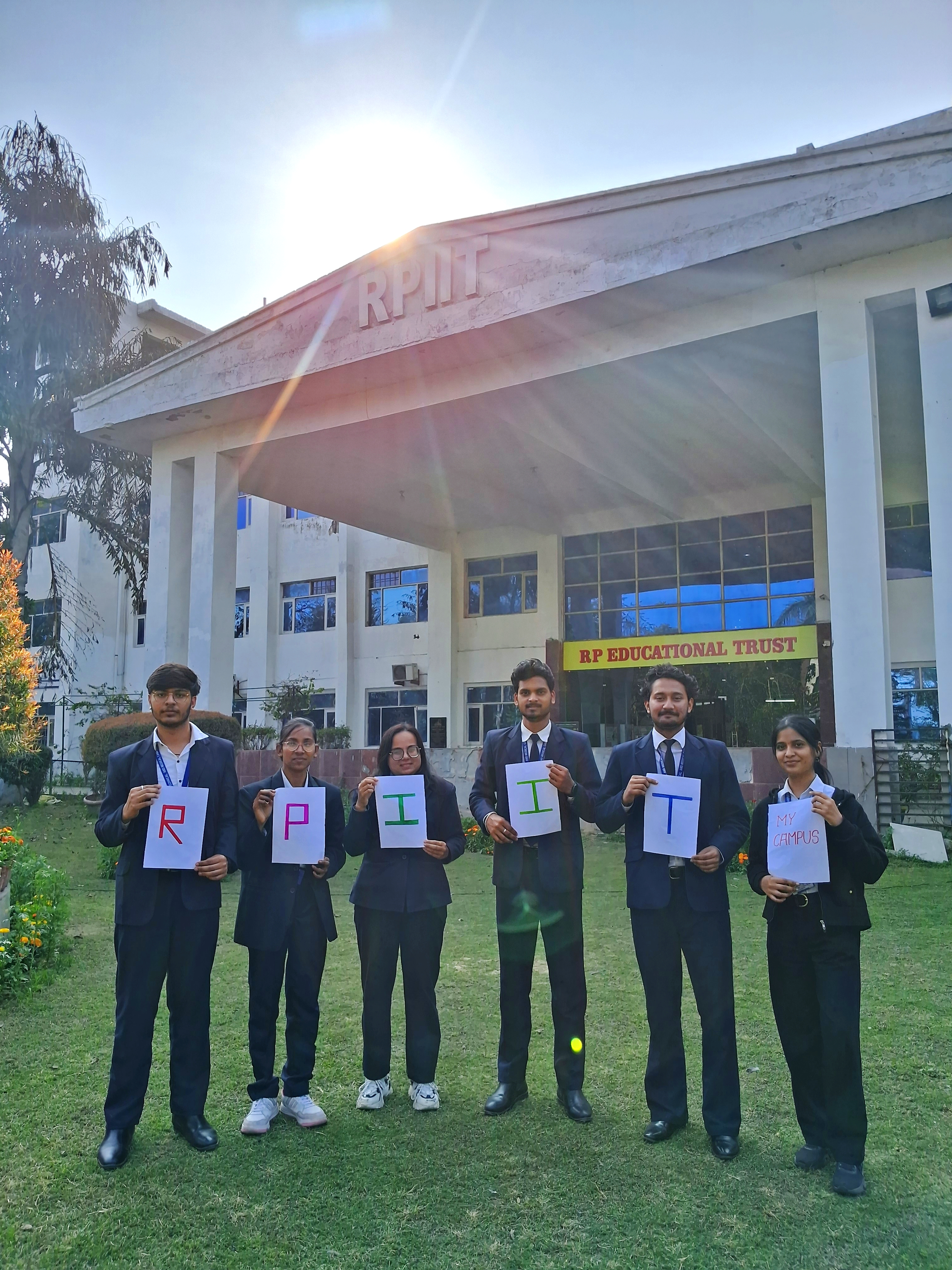
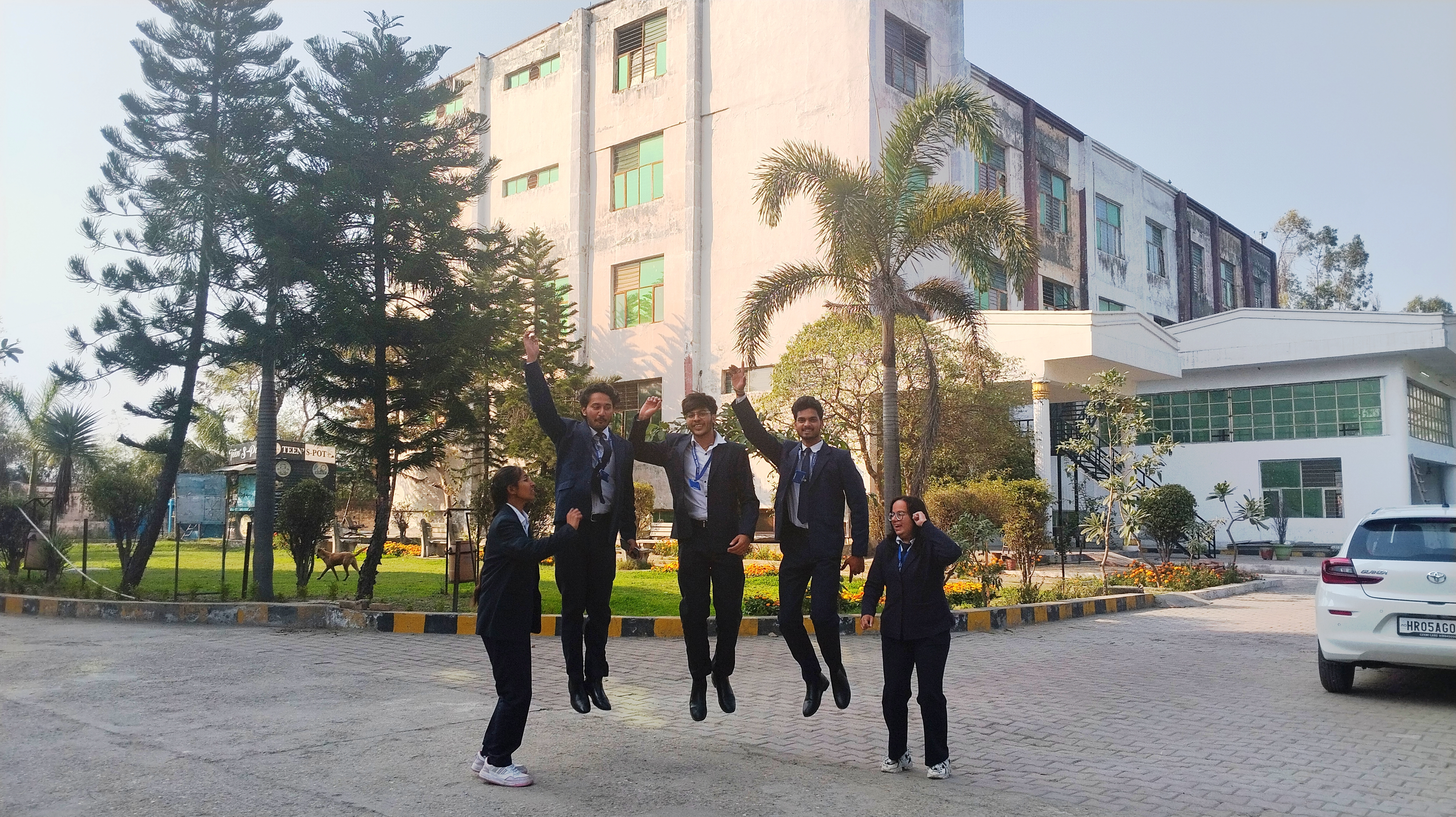
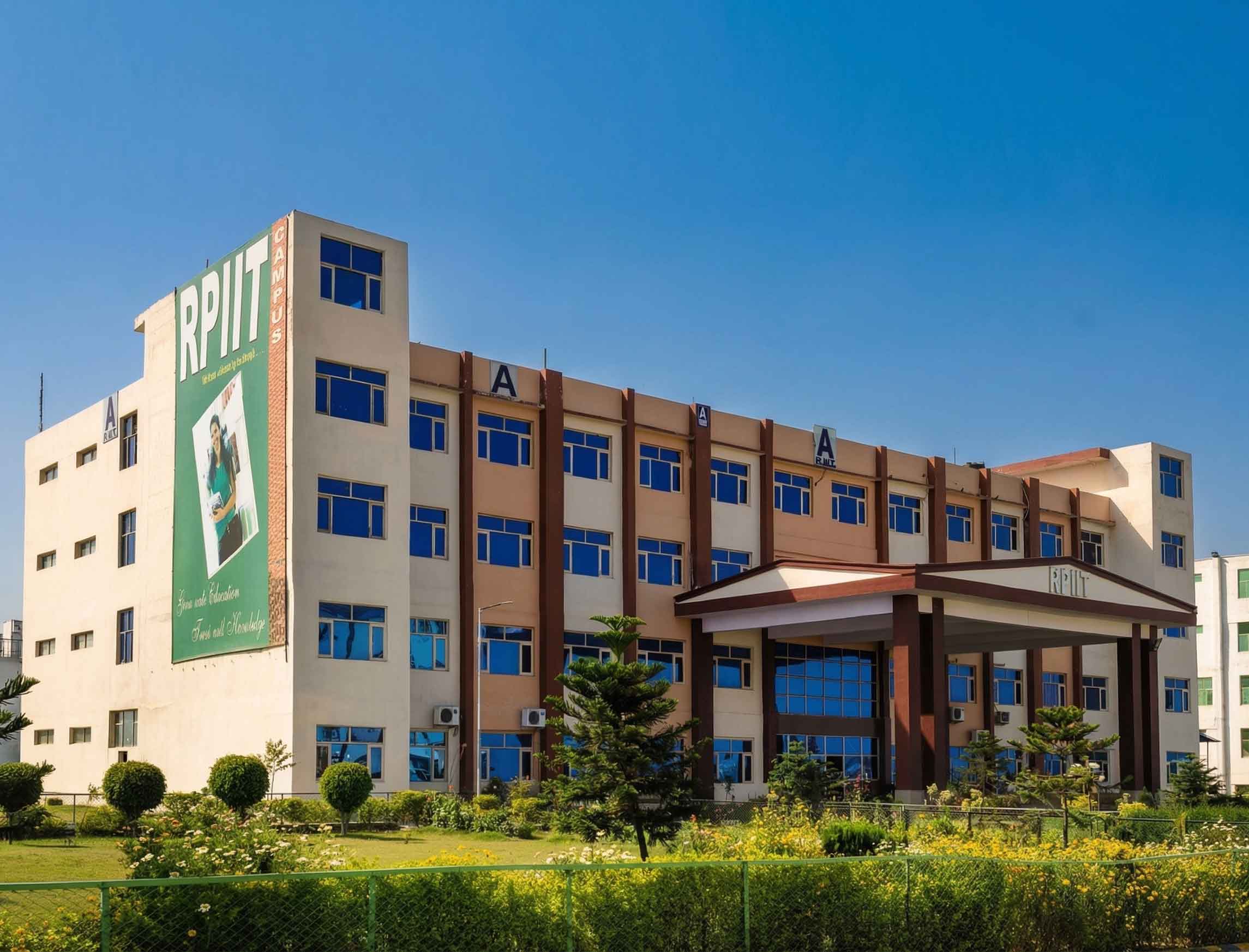
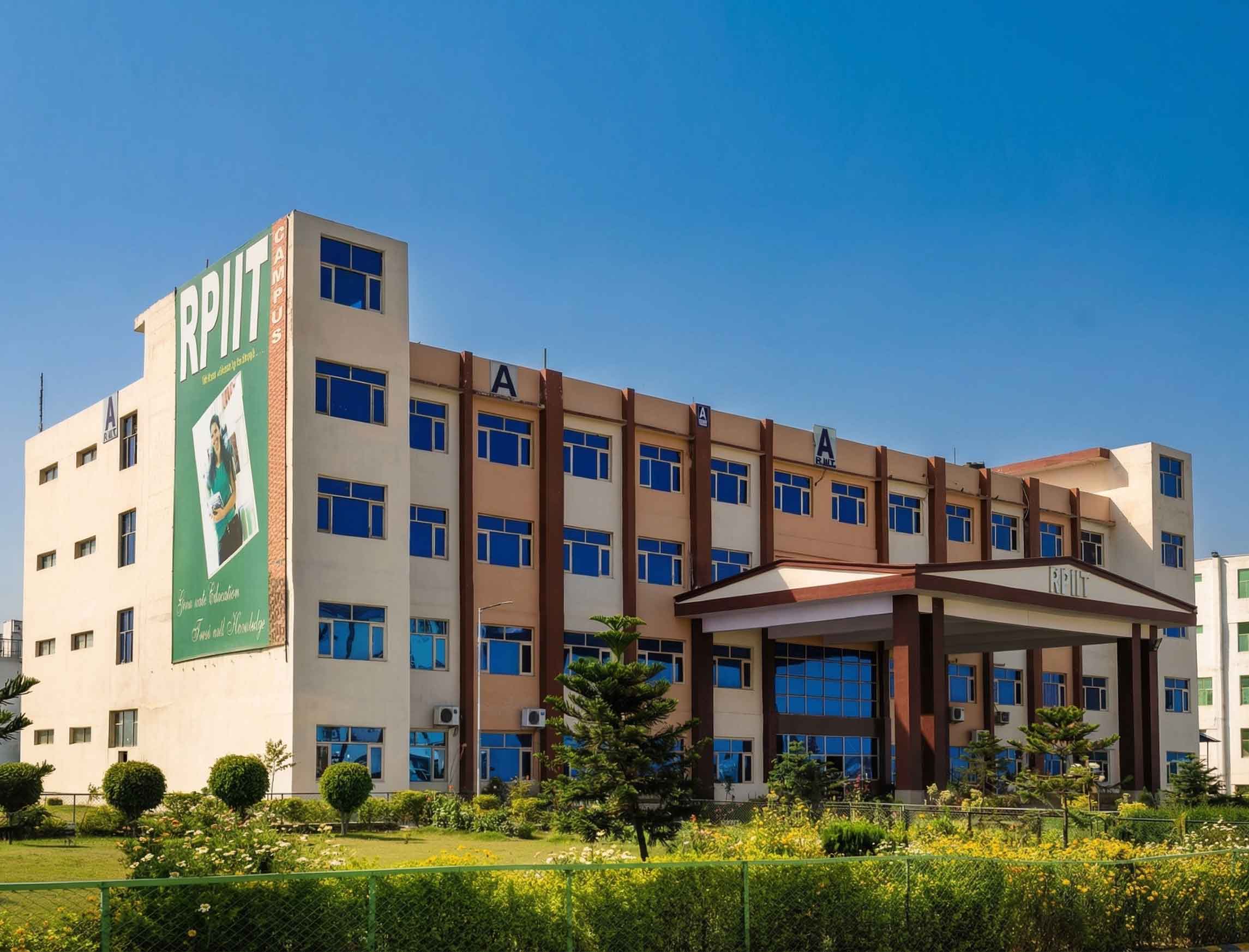
A conducive learning environment is essential for effective education. RPIIT’s campus is designed to support both academic and personal development, with facilities that encourage learning, collaboration, and innovation.
Modern labs, libraries, and digital resources ensure that students have access to the tools they need to succeed. At the same time, campus life fosters a sense of community and engagement.
Preparing Students for a Changing Future
The future of work is evolving rapidly, driven by technology, globalization, and changing industry demands. In such a scenario, adaptability becomes one of the most valuable skills.
RPIIT prepares students not just for their first job—but for long-term career sustainability. By focusing on continuous learning, practical exposure, and skill development, the institute ensures that graduates can adapt to new roles and challenges over time.
Conclusion
The true value of education lies not in the degree itself, but in what a student becomes by the end of the journey. RPIIT Karnal’s approach reflects this philosophy by prioritizing employability, skills, and real-world readiness.
In a system where many institutions are still catching up with industry expectations, RPIIT stands out by actively bridging the gap between classroom learning and professional success.
For students who want more than just a qualification—for those who want to be truly prepared for the demands of the modern workforce—RPIIT offers a pathway that is both practical and future-focused.